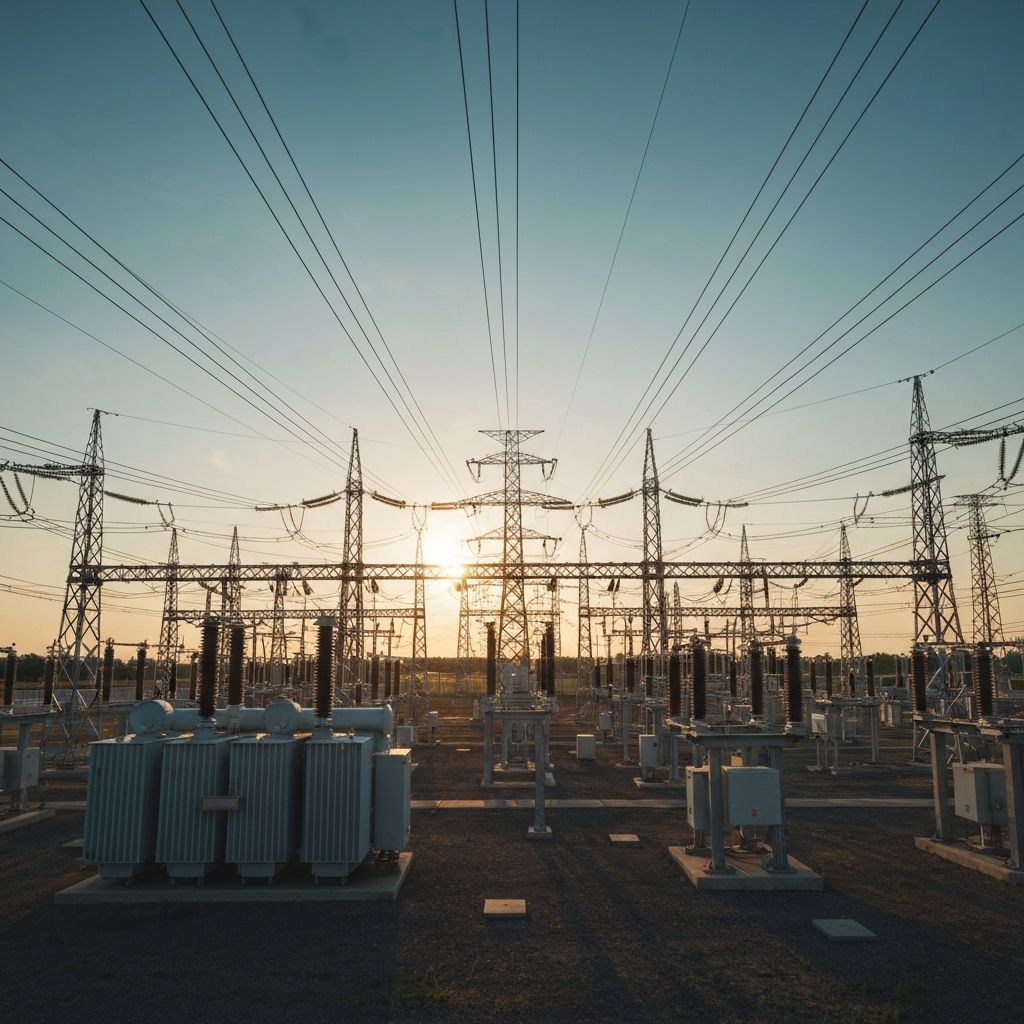
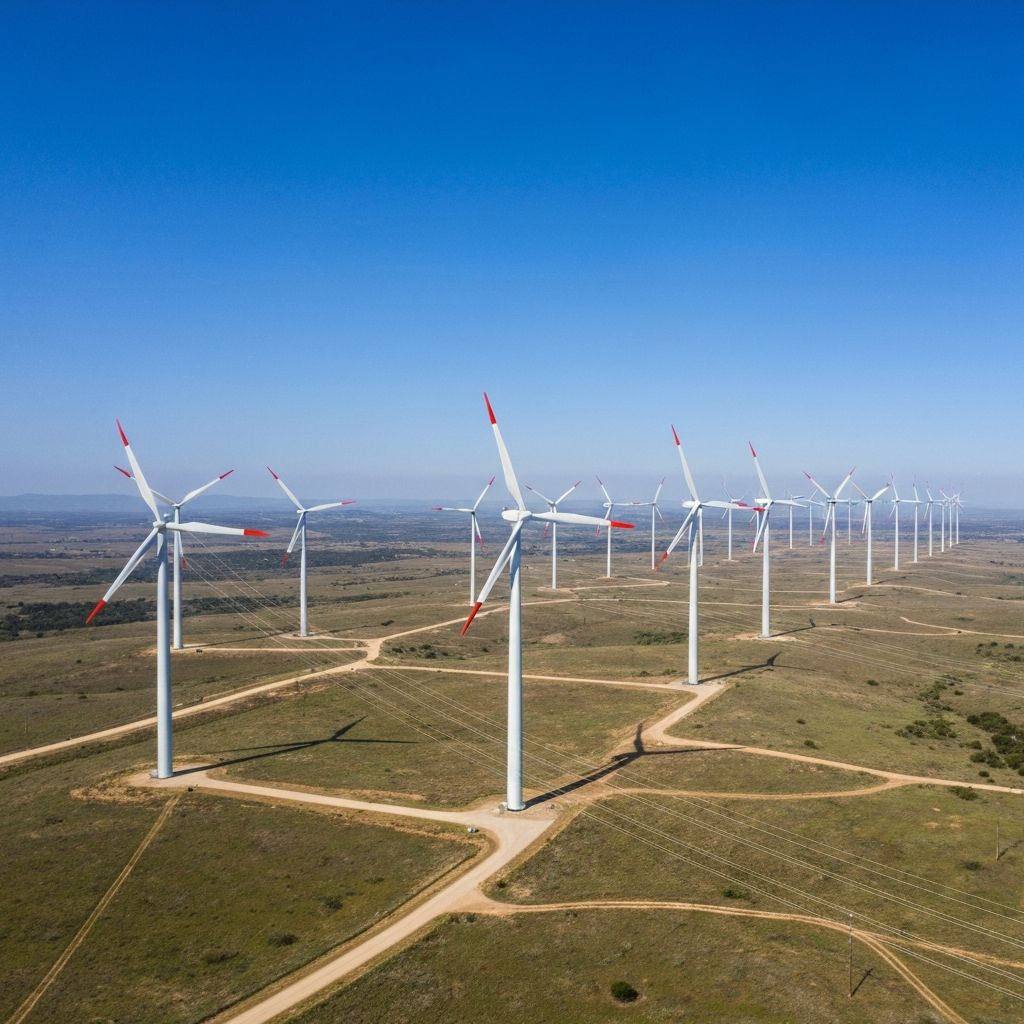
Texas operates its own electrical grid through ERCOT (Electric Reliability Council of Texas), largely independent from the rest of North America. This independence has created unique characteristics—and unique opportunities for those who know where to look.
The Texas grid has been through a lot recently. The Winter Storm Uri disaster in February 2021, ongoing concerns about summer capacity, and rapid growth in both load and generation have kept ERCOT in the headlines. But behind the drama, there's a more nuanced story about where capacity actually exists.
The Texas Advantage
ERCOT has several characteristics that make it attractive for large power consumers:
Deregulated market. Unlike most of the country, Texas has a competitive retail electricity market. Large consumers can negotiate directly with generators and traders for power supply, often securing rates well below regulated utility tariffs.
Abundant renewable energy. Texas leads the nation in wind generation and is rapidly adding solar. This creates periods of extremely cheap power—sometimes negative pricing—that benefit flexible loads.
Faster interconnection timelines. ERCOT's interconnection process is generally faster than PJM or CAISO. A straightforward project can complete in 18-24 months versus 3-5 years in the East.
Pro-business regulatory environment. Texas regulators and local governments are generally supportive of commercial development, with streamlined permitting and minimal NIMBYism.
These advantages have attracted massive data center investment. Dallas-Fort Worth and Austin have become major data center markets. Houston is growing. And new markets are emerging across the state.
Where the Constraints Are
Despite Texas's overall capacity abundance, specific areas face significant constraints:
Dallas-Fort Worth metroplex. The DFW area is ERCOT's largest load center, and available capacity at key substations is increasingly limited. New data center developments are pushing further into the suburbs.
Austin metro. Austin's rapid growth has stressed local grid infrastructure. Some premium locations have multi-year interconnection timelines.
Houston downtown. Central Houston has transmission constraints dating back decades. While suburban Houston has capacity, the urban core is challenging.
West Texas transmission. Ironically, West Texas has abundant generation (wind and solar) but limited transmission to move that power to load centers. This creates local surplus but regional constraints.
The Analysis: Finding Hidden Capacity
We analyzed every substation in ERCOT with the following criteria:
- More than 50 MW of available capacity
- Fewer than 3 projects in the interconnection queue
- Adequate transmission headroom
- Within 50 miles of a fiber route
- No known reliability issues
The results surprised us. Some of the best opportunities weren't in the obvious metros but in smaller markets that most site selectors overlook.
### West Texas Opportunities
The Permian Basin region, traditionally associated with oil and gas, has substantial grid infrastructure originally built for industrial loads. As drilling activity has shifted and become more efficient, some of this capacity has become available for other uses.
We identified multiple substations in the Midland-Odessa corridor with 75+ MW available and minimal queue competition. The challenge here is fiber connectivity—historically limited, though improving as new routes are built for oil field operations.
The economics are interesting: land is cheap, power is available, and the regulatory environment is extremely business-friendly. For use cases that don't require ultra-low latency (backup/disaster recovery, batch processing, Bitcoin mining), this region deserves serious consideration.
### The I-35 Corridor
Running from San Antonio through Austin to Dallas, the I-35 corridor is the spine of the Texas economy. Most of the best-known sites are along this route.
But we found opportunities in the smaller cities between the metros. Towns like Temple, Waco, and Hillsboro have substations with available capacity, adequate fiber, and much less queue competition than Austin or Dallas. Interconnection timelines here are often 12-18 months versus 24-36 months in the major metros.
### Houston Suburbs
While central Houston is constrained, the suburban ring has significant available capacity. Areas like Katy (west Houston), Pearland (south Houston), and Cypress (northwest Houston) have substations with 50+ MW available and fast-moving queues.
The Houston region benefits from excellent fiber connectivity, strong labor markets, and direct access to the international business community. For enterprises serving global customers, the time zone and transportation links are advantageous.
### The Gulf Coast Corridor
The industrial Gulf Coast—from Beaumont to Corpus Christi—has grid infrastructure built for petrochemical plants and refineries. Some of this capacity is becoming available as the energy transition shifts industrial demand patterns.
Port Arthur, Texas City, and La Marque all have substations with significant headroom. The challenge is that these areas aren't traditional data center markets—fiber is limited, labor pools are smaller, and amenities are sparse. But for operations that prioritize power availability above all else, they're worth considering.
Practical Considerations
Finding available capacity is just the first step. Actually developing a project requires navigating ERCOT's specific requirements:
### The Interconnection Process
ERCOT's interconnection process is faster than most ISOs but still has requirements:
1. Screening study. A preliminary analysis of whether your project can interconnect without major upgrades. Takes 2-4 weeks.
2. Full interconnection study. A detailed engineering analysis if the screening study identifies potential issues. Takes 3-6 months.
3. Interconnection agreement. The formal contract specifying all terms. Negotiation can take 1-3 months.
4. Construction and testing. Building any required facilities and completing commissioning tests.
For a straightforward project at a substation with clear capacity, you can complete this process in 12-18 months. Complex projects or congested areas take longer.
### Transmission Constraints
ERCOT publishes transmission constraint data that's essential for site selection. Key metrics include:
- Congestion rent. How much money is being paid to manage transmission constraints. High congestion rent indicates a bottleneck.
- Shift factors. How much your load contributes to flow on constrained transmission elements. High shift factors mean you're in a congested area.
- Planned upgrades. ERCOT's transmission plan shows where capacity is being added. A site that's constrained today might be unconstrained in 2-3 years after upgrades complete.
Understanding these metrics requires some technical sophistication, but the data is publicly available through ERCOT's market information system.
### Working with Utilities
Even though ERCOT is a deregulated market, you still need to work with the local Transmission and Distribution Utility (TDU) for physical interconnection. The major TDUs are:
- Oncor (Dallas-Fort Worth and much of Central/West Texas)
- CenterPoint (Houston area)
- AEP Texas (South Texas and parts of West Texas)
Each TDU has different processes, timelines, and attitudes toward data center development. Oncor has generally been the most experienced and efficient, having handled the majority of Texas data center interconnections. CenterPoint and AEP are catching up as Houston and South Texas attract more interest.
The Databee Advantage
Our ERCOT data provides everything you need to identify opportunities:
Capacity Scout shows every substation meeting your criteria. Filter by capacity threshold, region, or specific county. See available headroom and queue depth.
Queue Intel provides the complete interconnection queue. Understand your competition and likely timeline.
Historical Analysis shows how capacity and queues have changed over time. Identify trends and predict future availability.
Texas is the fastest-moving grid in the country. Opportunities emerge and disappear quickly. Having real-time intelligence lets you act faster than competitors still relying on quarterly reports and utility conversations.
The best ERCOT sites are going fast. The question is whether you can find them before everyone else does.