Site selection for data centers has undergone a fundamental transformation. Five years ago, the checklist was straightforward: fiber connectivity, land costs, tax incentives, labor availability, and maybe some consideration of natural disaster risk. Power was assumed to be available—just another utility to negotiate.
In 2025, that assumption is catastrophically wrong.
Power availability has become the dominant constraint in data center site selection. We've seen projects in otherwise perfect locations delayed by 3-4 years waiting for grid upgrades. We've seen hyperscalers pay premium prices—50% above market rates—for sites with immediate power availability. We've seen billion-dollar investments abandoned because the electricity simply wasn't there.
This guide synthesizes what we've learned from analyzing hundreds of site selection decisions and thousands of interconnection filings. Whether you're a hyperscaler evaluating your next campus, a colocation provider expanding into new markets, or an enterprise building a private facility, these principles apply.
The Old Playbook Is Broken
The traditional site selection process worked like this:
1. Identify target markets based on customer proximity and network connectivity
2. Screen for sites with adequate land, fiber, and zoning
3. Negotiate tax incentives with local economic development agencies
4. Contact the utility to arrange power delivery
5. Build and operate
Step 4—"contact the utility"—was treated as administrative detail. Of course the utility would provide power. That's what utilities do.
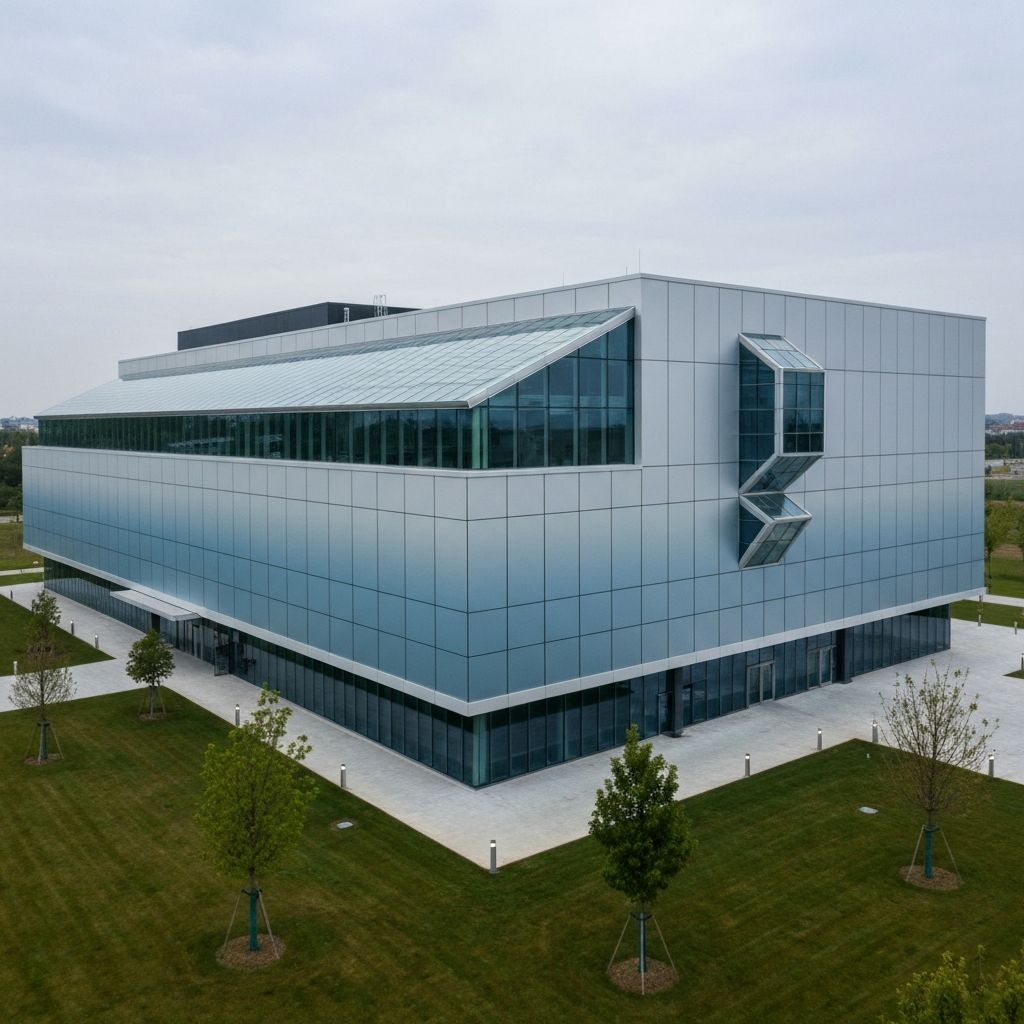
This approach worked when data centers were 5-20 MW facilities and grid capacity was generally abundant. It fails completely in an era of 100+ MW campuses competing for finite substation capacity.
The New Reality
Today's site selection must start with power. Everything else is secondary.
Consider the math: a 100 MW data center represents roughly $1 billion in capital investment over its lifetime. Annual power costs at $0.06/kWh run about $50 million per year. The difference between a 2-year and a 5-year interconnection timeline represents $150 million in delayed revenue.
Against these numbers, almost every other site selection factor becomes a rounding error. Saving $2 million per year on taxes doesn't matter if you're losing $50 million per year in delayed operations. Getting slightly cheaper land doesn't matter if you can't power the building.
The smart operators have figured this out. Their site selection process now looks like:
1. Screen for grid capacity and interconnection timeline
2. Verify transmission adequacy and queue position
3. Then evaluate land, fiber, taxes, and other traditional factors
4. Proceed only if power fundamentals work
This is exactly backwards from the old approach, and it's exactly right for current market conditions.
What Smart Operators Look For
Based on our analysis of successful site selections, here are the key power-related factors that matter most:
### Substation Headroom
The first question is simple: is there capacity at the nearest substation?
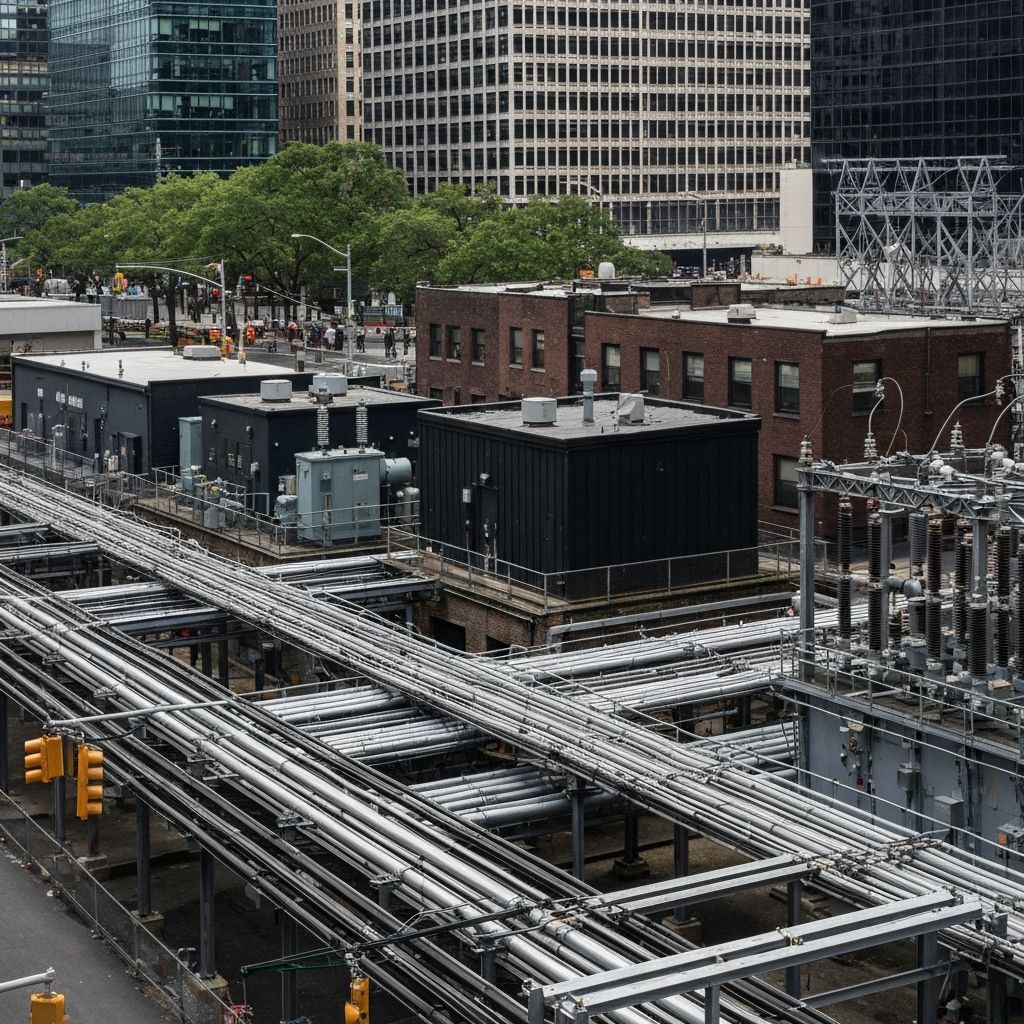
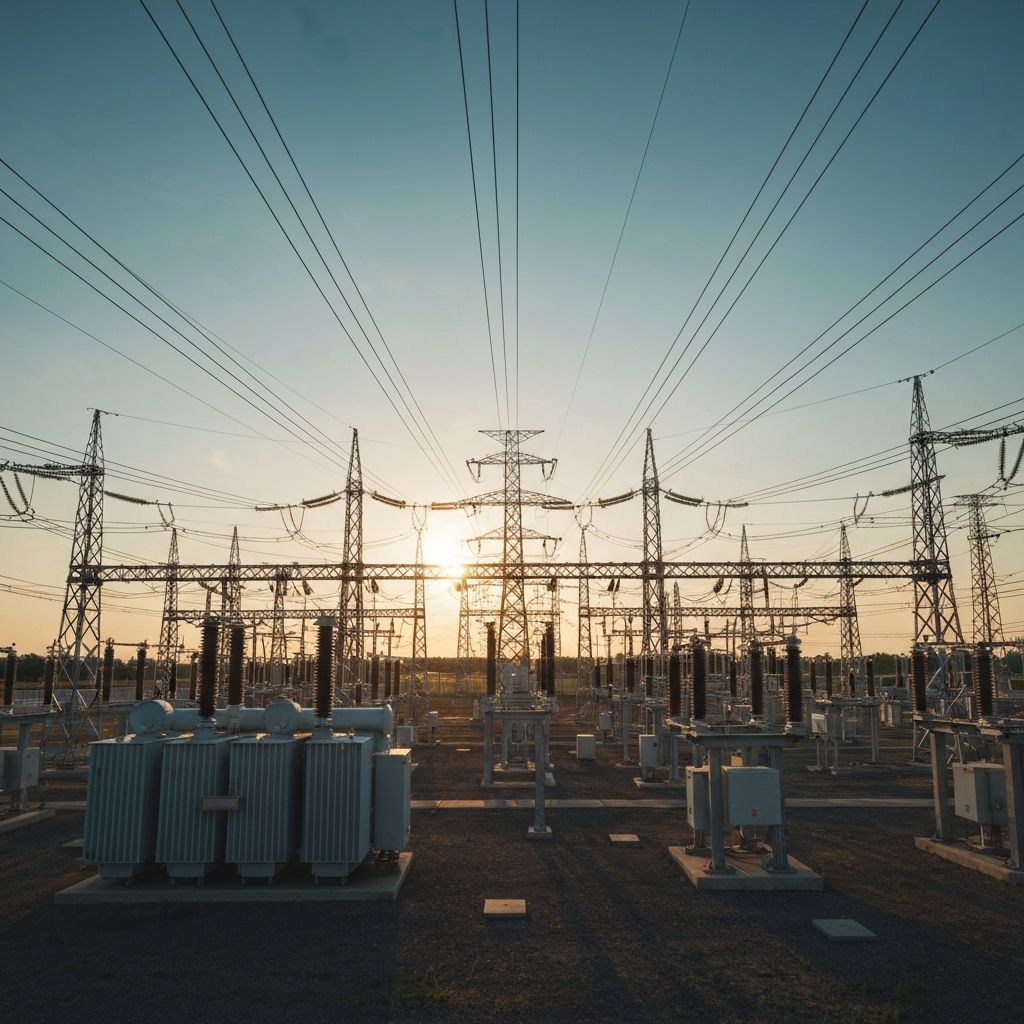
Substations are the critical nodes in the power delivery chain. They step down transmission voltage (typically 115kV-500kV) to distribution voltage (typically 12-35kV) that can be delivered to end users. Each substation has finite transformer capacity, measured in MVA (megavolt-amperes).
For a data center, you want a substation with:
- Current load well below rated capacity (ideally 50% or less)
- Room for your project plus reasonable growth
- Multiple transformer banks for redundancy
- Recent maintenance and no known reliability issues
Our Capacity Scout tier shows you every substation meeting your criteria in any region. Specify your capacity threshold and filter by location.
### Queue Position
Even if substation capacity exists today, are you behind 500 MW of other applications?
Queue position determines your place in line for interconnection studies. If you're #15 at a popular substation, you'll wait years while projects #1-14 are processed. You might also get stuck paying for grid upgrades triggered by earlier projects.
The ideal scenario is being first in queue at a substation with adequate capacity. The nightmare scenario is being last in queue at a congested substation.
Our Queue Intel tier shows you exactly where you'd stand. See every pending application, every queue position, every MW requested.
### Transmission Constraints
Substation capacity is necessary but not sufficient. You also need to verify that the transmission system can actually deliver power to that substation.
Transmission constraints are harder to identify than substation constraints. They require understanding of regional power flows, which change based on load patterns and generator availability. A substation might have local capacity but be served by a transmission corridor that's already congested during peak periods.
Signs of potential transmission constraints include:
- High locational marginal prices (LMPs) relative to regional average
- Frequent transmission congestion in historical data
- Major generators between your site and the main grid
- Limited transmission paths (single line serving the area)
### Utility Cooperation
Utilities vary enormously in their attitude toward data centers.
Some utilities actively court data center load. They see it as stable, high-load-factor demand that improves their system economics. They streamline interconnection processes, offer favorable rate structures, and assign dedicated account teams.
Other utilities treat data centers as a nuisance. They're slow to respond, rigid about interconnection terms, and may not have rate structures appropriate for large industrial load.
This matters enormously for interconnection timelines. A cooperative utility can often accelerate the process by months or years. An uncooperative utility can add delays at every stage.
The Cost of Getting It Wrong
Let's look at some real-world examples of site selection failures driven by power issues.
Case 1: The Abandoned Virginia Site. A major hyperscaler selected a site in Northern Virginia based on proximity to existing operations, favorable zoning, and strong tax incentives. Only after investing $40M in land and preliminary development did they discover that the interconnection timeline exceeded 6 years. The site was abandoned.
The information that would have revealed this problem was publicly available in PJM's interconnection queue. But no one on the site selection team knew how to find it or interpret it.
Case 2: The Queue Surprise. A colocation provider signed a letter of intent for a site in Texas, contingent on utility confirmation of power availability. The utility initially indicated that capacity was available. Six months into development, the provider discovered that a Bitcoin mining operation had filed an interconnection application three weeks earlier, claiming the last available capacity at the substation.
The mining operation's application was visible in ERCOT's queue data. With proper monitoring, the provider would have known to file their own application immediately upon showing interest in the site.
Case 3: The Transmission Constraint. An enterprise selected a site for a private data center based on cheap land and favorable utility rates. Construction proceeded smoothly. But when they attempted to energize the facility, they discovered that the transmission line serving the area was already at capacity during summer peak periods. They faced a choice: operate at reduced capacity during summer months, or pay $80M for a transmission upgrade.
Historical congestion data would have revealed this constraint. But no one thought to check.
The Databee Approach
We built Databee to provide the power intelligence that site selectors need.
Capacity Scout ($50) answers the question: "Where is there power available?"
Query any ISO—PJM, ERCOT, CAISO, MISO, NYISO, ISO-NE—and get every substation with available capacity above your specified threshold. Filter by state, county, or specific geographic area. See current load, rated capacity, and available headroom.
Queue Intel ($500) answers the question: "What's my competition?"
See the complete interconnection queue for any county. Every pending application, every queue position, every MW requested. Understand who filed before you and what they're building.
Real-Time Alerts answer the question: "What changed?"
Configure webhooks to notify you when capacity becomes available in your target regions. When a large project withdraws from the queue, you'll know immediately—not weeks later when it shows up in the next quarterly report.
Building Your Site Selection Process
Based on everything we've learned, here's our recommended approach:
Phase 1: Power Screening. Before engaging real estate brokers, attorneys, or economic development agencies, screen potential markets for power availability. Use Capacity Scout to identify regions with adequate substation capacity and reasonable queue depth.
Phase 2: Queue Analysis. For promising regions, pull Queue Intel data to understand your likely queue position and potential competitors. Identify substations where you could be first or second in line.
Phase 3: Traditional Screening. Only after power fundamentals check out, proceed with traditional site selection factors: land availability, fiber routes, zoning, taxes, labor.
Phase 4: Parallel Filing. For your top 2-3 sites, file interconnection applications simultaneously. This costs more upfront but protects your options. Make final site decisions once queue positions and study results are clearer.
Phase 5: Monitoring. After filing, monitor your queue position continuously. Competitors may drop out, new projects may file, study results may change assumptions. Stay informed.
The best sites won't be available forever. Grid capacity is finite and competition is intense. The companies with better information will claim the best locations first.