The AI revolution has a dirty secret: it's incredibly power-hungry. Every ChatGPT query, every Midjourney image, every autonomous agent making trades—they all need electricity. Lots of it. And the companies building these systems are facing a crisis that few outside the energy industry understand.
The Scale of the Problem
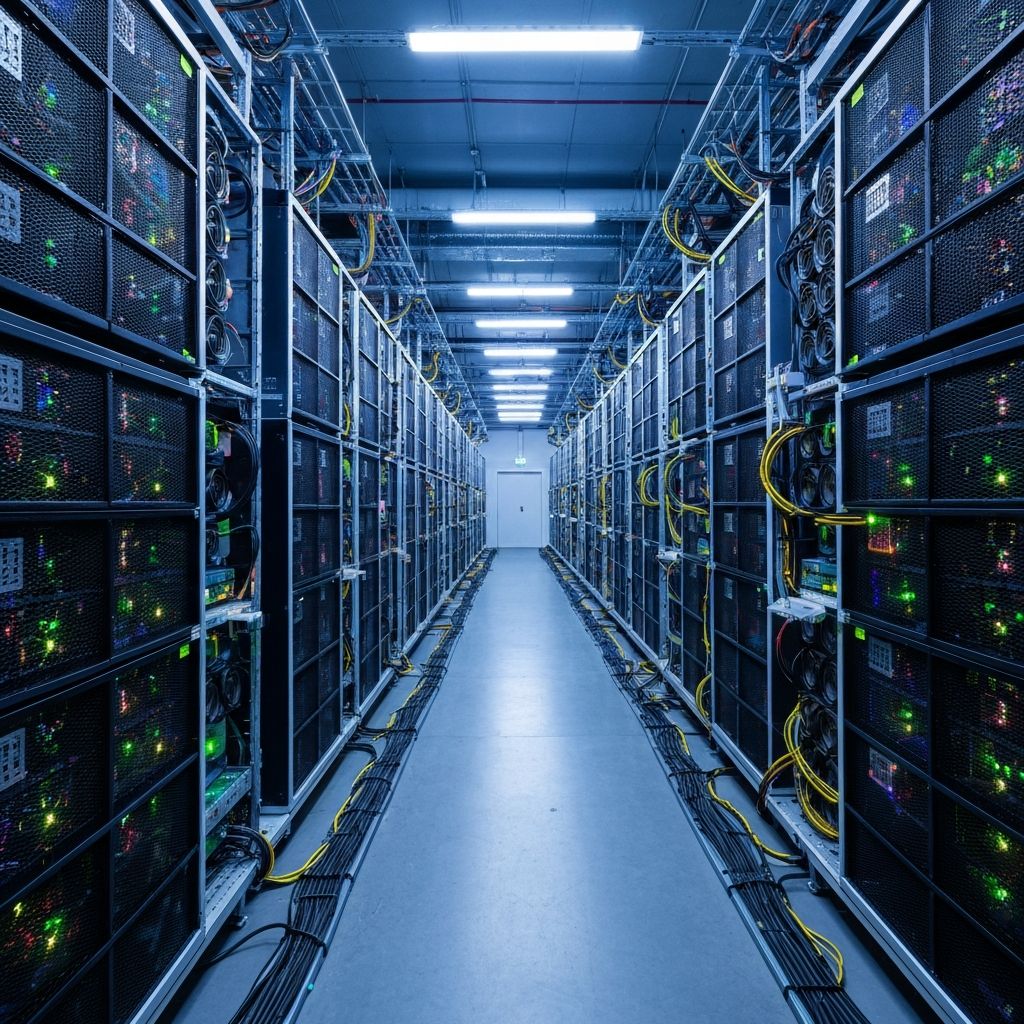
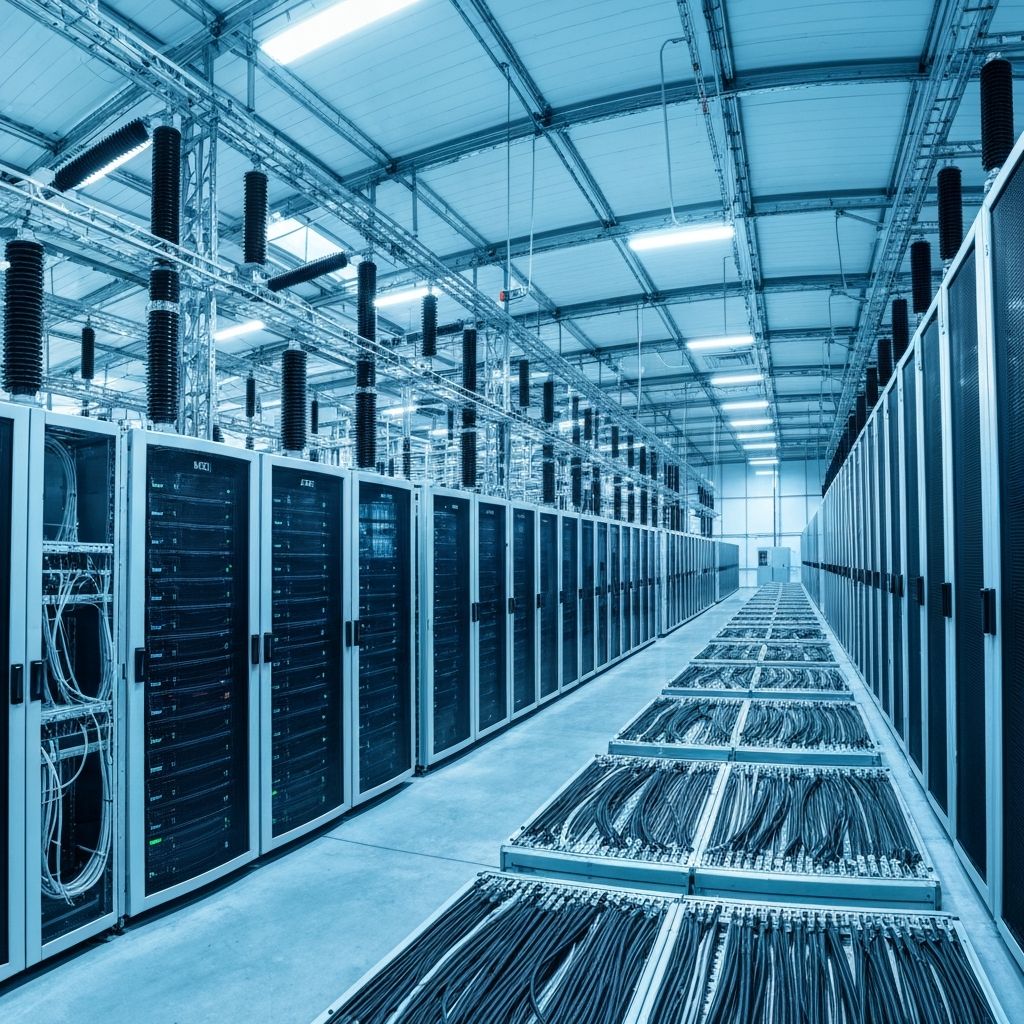
Let's start with some numbers that should make you pause. A single GPT-4 query consumes roughly 10x the energy of a Google search. OpenAI's data centers reportedly consume as much electricity as a small city—somewhere between 500 MW and 1 GW of continuous power. That's equivalent to powering 400,000 homes.
And this is just the beginning.
Goldman Sachs estimates that global data center power demand will grow by 160% by 2030, with AI workloads accounting for the majority of that growth. McKinsey projects that AI-related power demand alone could reach 500 TWh annually by 2027—roughly equal to the entire electricity consumption of Spain.
The numbers get even more staggering when you look at training runs. Training GPT-4 reportedly required over 100 GWh of electricity—enough to power 10,000 homes for a year. The next generation of models, with their exponentially larger parameter counts, will require even more.
Why Traditional Solutions Won't Work
You might think: "Just build more power plants." But the electricity grid doesn't work that way. Even if you had unlimited capital to build generation capacity, you still face fundamental infrastructure constraints.
The electrical grid is a complex, regulated system that evolved over a century. Every major load requires:
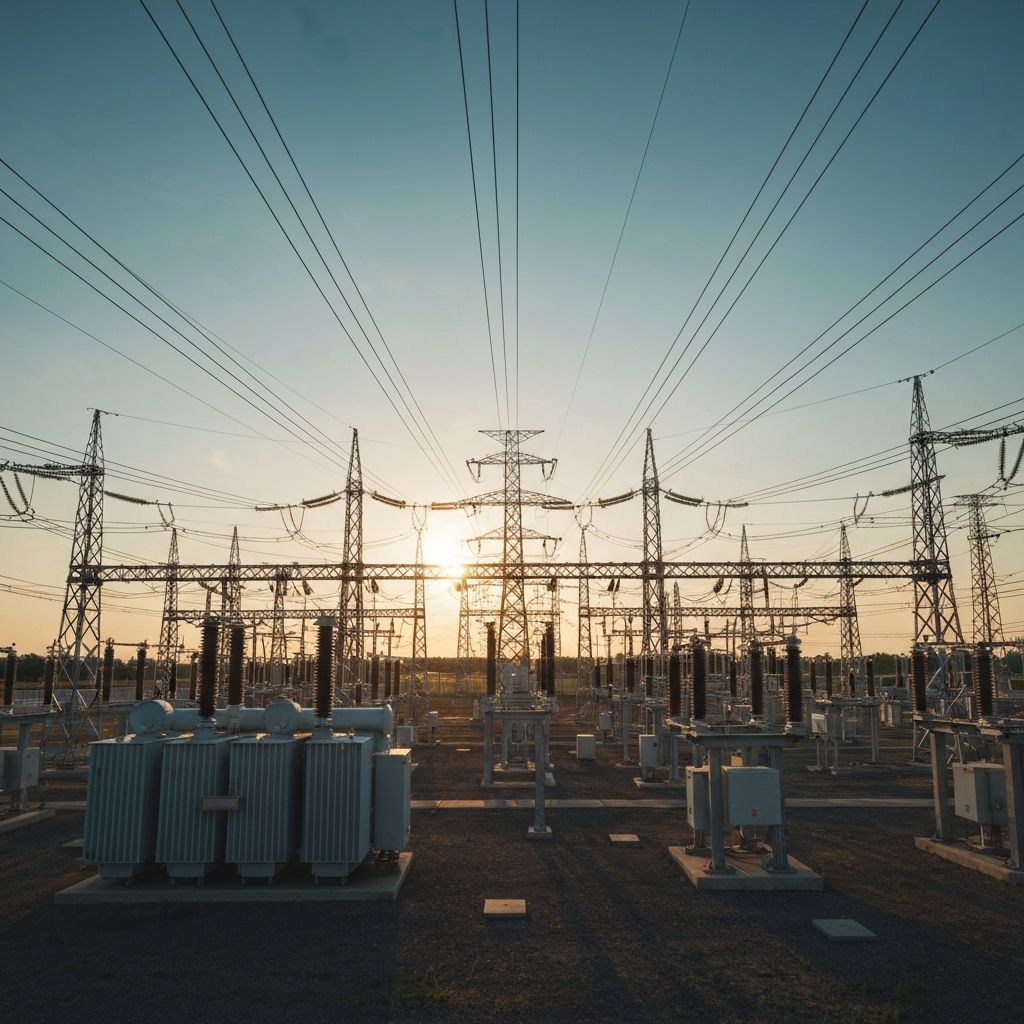
Available substation capacity. Substations are the nodes that step down transmission voltage to distribution voltage. They have finite capacity, typically measured in MVA (megavolt-amperes). Adding a 100 MW data center to a substation that only has 50 MW of headroom doesn't work—the transformer will fail.
Transmission line clearance. Even if the substation has capacity, the transmission lines feeding it might be constrained. Upgrading transmission lines can take 5-10 years and cost hundreds of millions of dollars.
Interconnection agreements. You can't just plug into the grid. Large customers need formal interconnection agreements with the local utility and the regional grid operator (ISO/RTO). These agreements specify exactly how much power you can draw, under what conditions, and what happens during emergencies.
Environmental approvals. New generation and transmission projects require environmental review under NEPA (National Environmental Policy Act) and various state-level requirements. This process alone can take 2-3 years.
Years of waiting in queue. Even after you've identified a site and filed your application, you enter the "interconnection queue"—a first-come-first-served line of projects waiting for grid connection. In some regions, this queue has grown to 5-7 years or longer.
The Information Asymmetry Problem
Here's where it gets interesting. All of this information—substation capacity, queue positions, pending applications, transmission constraints—is technically public. Grid operators are required by FERC (Federal Energy Regulatory Commission) to publish interconnection queue data. Utilities file regular reports on system capacity.
But "public" doesn't mean "accessible."
This information is buried in thousands of PDF filings, Excel spreadsheets, and proprietary databases scattered across seven major ISOs (Independent System Operators) and hundreds of utilities. The format varies wildly. The terminology is inconsistent. Updates happen on different schedules.
Energy traders and utilities have spent millions building internal systems to track this data. They employ teams of analysts who do nothing but parse regulatory filings. Major consulting firms charge six and seven figures for site selection studies that essentially aggregate this publicly available information.
Data center site selectors face a choice: spend months on manual research, hire expensive consultants, or hope they get lucky. Most rely on relationships with utility account managers who may or may not give them accurate information.
The result is a massive information asymmetry. Insiders who know how to navigate this system have enormous advantages. Everyone else is flying blind.
The Real-World Consequences
This isn't an abstract problem. Real projects are failing because of it.
In 2024, a major hyperscaler abandoned a $500M data center site in Virginia after discovering that the interconnection timeline would exceed 6 years. They'd already invested $40M in land and preliminary development. The information that would have revealed this problem was available in public filings—but no one on their team knew how to find it.
Another operator spent 18 months negotiating with a utility for a 200 MW connection, only to discover at the last minute that the substation they were counting on had already been claimed by a solar project that filed two years earlier. That solar project was visible in the interconnection queue, but buried on page 847 of a PDF report that no one had reviewed.
We've seen projects pivot at the last minute because queue positions shifted. We've seen bidding wars for sites that turned out to have no available capacity. We've seen companies pay premium prices for "shovel-ready" sites that were actually years from being grid-connected.
The Competitive Dynamics
The companies that understand this dynamic have a massive advantage. Microsoft, Google, and Amazon have all built internal teams focused specifically on power procurement and grid analysis. They employ former utility executives, grid operators, and energy traders.
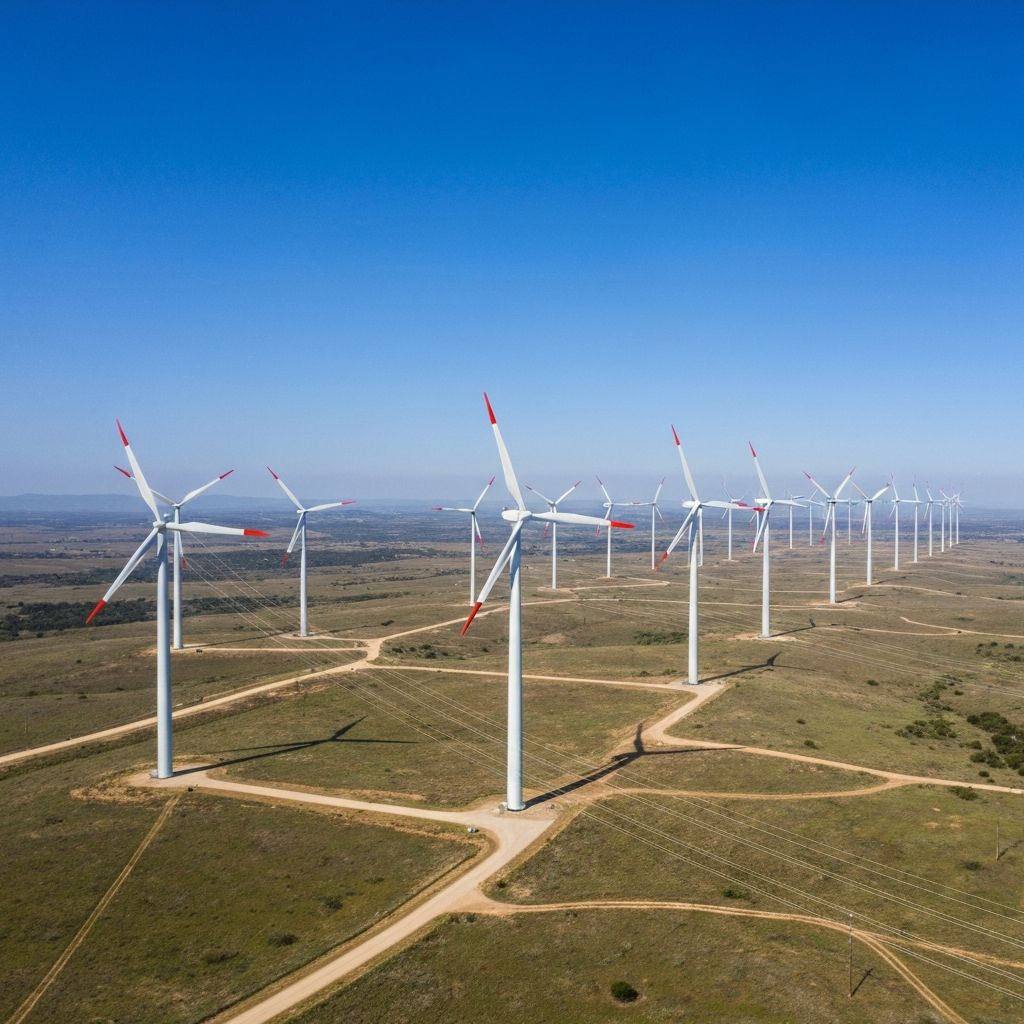
Microsoft has been particularly aggressive, signing deals worth billions for nuclear power, including partnerships with Constellation Energy and the Three Mile Island restart. Google is exploring geothermal through its partnership with Fervo Energy. Amazon is buying entire wind farms and has committed to 100% renewable energy.
But here's the key insight: even with unlimited capital, you can't buy your way to the front of the interconnection queue. The rules are the rules. First-come-first-served. If you filed after someone else, you wait.
This creates a fascinating dynamic where time is the ultimate competitive advantage. The companies with better information—who know which substations have capacity, which projects are likely to fail, which queue positions are about to open up—can move faster. They can file applications in multiple locations simultaneously. They can be ready when opportunities emerge.
Enter the Grid Capacity API
This is why we built Databee.
Our Grid Capacity API provides instant access to substation availability and interconnection queue data across every major ISO: PJM, ERCOT, CAISO, MISO, NYISO, and ISO-NE. We've aggregated, normalized, and indexed the data that was previously scattered across thousands of documents.
For $50 (via our x402 micropayment protocol), you can query our Capacity Scout endpoint to find every substation in a region with more than 20 MW of available capacity. In seconds, you get what used to take weeks of research.
For $500, our Queue Intel endpoint gives you the complete interconnection queue for any county—every pending application, every queue position, every MW requested, every filing date. You can see exactly who's ahead of you and what they're building.
We believe this information should be accessible to everyone—not just those who can afford million-dollar data feeds or insider relationships. The AI economy is going to be built on electricity. The companies and individuals who can find that electricity will shape its development.
What This Means for the Future
The AI power crisis is not going away. If anything, it's accelerating. The next generation of AI models will be even more power-hungry. The next wave of AI applications—autonomous vehicles, robotics, real-time inference at the edge—will distribute this demand across the grid in new ways.
The winners in this environment will be those who can secure power before their competitors. Grid capacity is a zero-sum game. Once a substation is at capacity, latecomers face years of infrastructure buildout. Once a queue position is taken, you're waiting in line behind everyone who filed before you.
Information is the key competitive advantage. Not just knowing where capacity exists today, but predicting where it will exist tomorrow. Not just understanding your own queue position, but monitoring every other project that might affect it.
This is the future we're building toward at Databee. Real-time grid intelligence that lets you move faster than everyone else. Predictive analytics that show where capacity is heading, not just where it's been. Automated alerts that notify you the moment an opportunity emerges.
The AI economy runs on electricity. Now you can see where to find it.